
District Rotaract Representative
District Rotaract Representatives
Background
A District Rotaract Representative provides a vital link between Rotaractors, Rotaract clubs, Rotary in their districts and Rotaract Great Britain and Ireland.
This overview of the role of the DRR, along with the District Rotaract Committee and Rotaract Great Britain and Ireland, brings together key guidance and policy drawn from sources including the Rotaract Handbook, the Rotary Code of Policies and Rotaract Great Britain and Ireland Bylaws. Its purpose is to support District Governors in establishing, empowering, and effectively working with DRRs.
District Rotaract Representatives
A District Rotaract Representative (DRR) serves as an ambassador for Rotaract in their district. In Great Britain and Ireland (GBI), DRRs also join the Rotaract Multi-District Information Organisation (MDIO) Council as voting members, provided that the district has joined the MDIO, to represent clubs and Rotaractors within their district.
In collaboration with other district leaders, they should support and implement leadership learning events, support Rotaract clubs in setting and achieving goals, resolving conflicts, stay up to date on Rotary initiatives, and meeting their district and Rotary International administrative requirements.
They also assist in establishing new Rotaract clubs and promote membership growth within the district, keep the District Governor (DG) informed of the progress and status of Rotaract clubs, and provide advice and support to Rotaract clubs in implementing their service activities. Rotaract clubs are established following the approval of the DG but notification should also be given to the DRR and Rotaract GBI.
As leaders within Rotary, DRRs should be invited and encouraged to attend district and other relevant events. The Rotary Code of Policies says that Rotary districts should pay for the attendance of the DRR at learning seminars and events.
DRRs should also actively join Rotaract meetings in their districts and support Rotaract projects and Rotaractors.
Who can be a District Rotaract Representative?
Rotary International outlines two different processes to identify the DRR depending on the number of Rotaract clubs within a district.
The DRR must be a Rotaractor and the DG should report the details of the DRR to Rotary International and Rotaract GBI each Rotary year.
-
In a district with one Rotaract club, the DRR should be the most recent, available, past Rotaract club president.
If a district has recently chartered its first (and currently only) Rotaract club, the President of the club should be the DRR. This ensures a formal link to the district and Rotaract GBI is established at the earliest opportunity.
-
Rotary International outlines that, in a district with two or more Rotaract clubs, an election must take place for the role of DRR.
Candidates in the election of DRR must have served as a Rotaract club president or as a member of the District Rotaract Committee for one full term before taking office.
The method of election should be decided by the Rotaract clubs, with the review and approval of the DG. Voting is open to all Rotaractors in the district. All election disputes shall be resolved locally by the DG.
Rotaract GBI is able to host and facilitate elections for DRRs on behalf of a Rotary District at the request of the DGs.
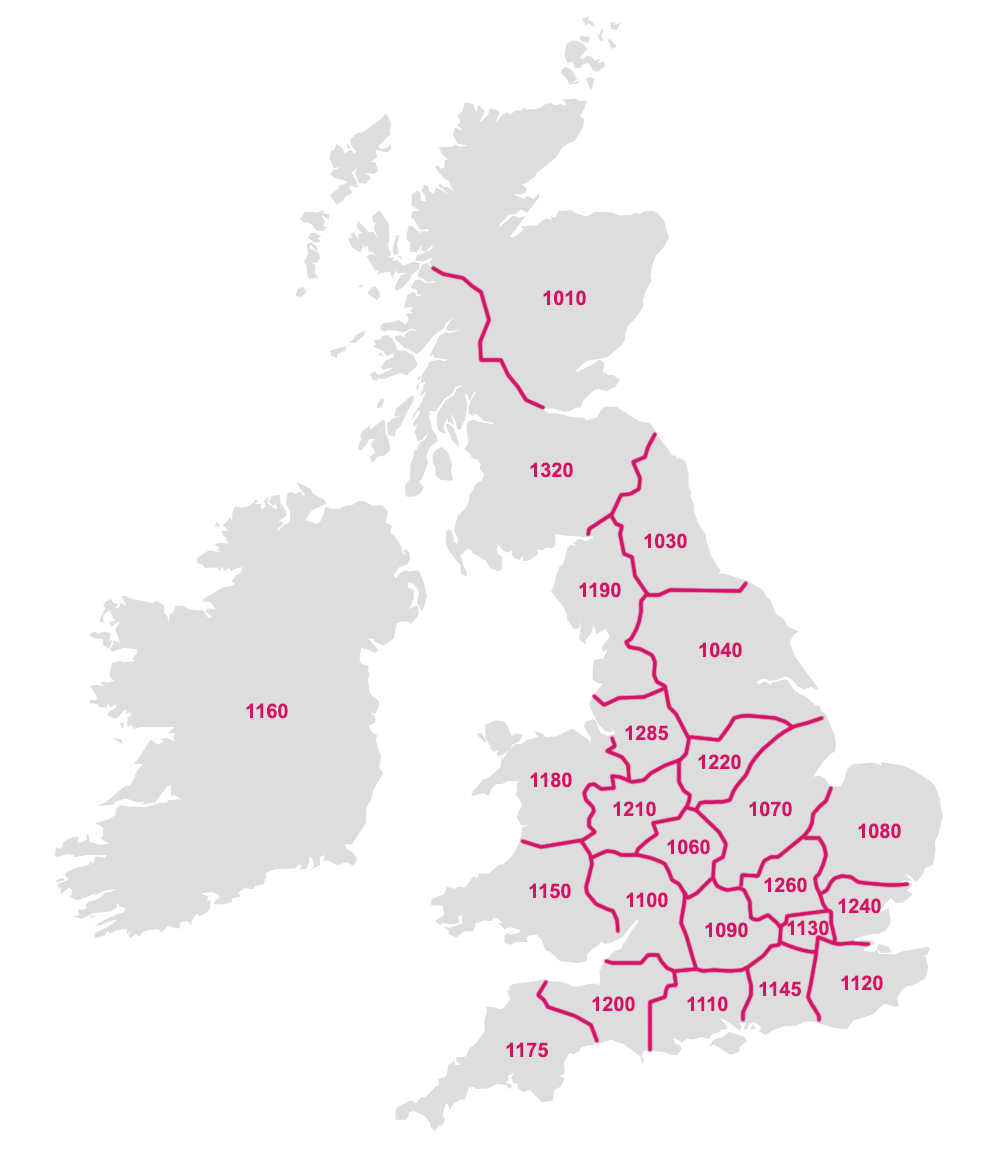
District Rotaract Committee
A District Rotaract Committee, composed of an equal number of Rotarians and Rotaractors, should aim to support Rotaract clubs within the district. In districts with no Rotaract committee, the DRR assumes the responsibilities of the committee.
The duties and responsibilities of the District Rotaract Committee can include;
Collaborate on districtwide activities related to Rotaract, including joint activities between Rotary and Rotaract clubs.
Promote engagement through regular contact with the Rotaract clubs.
Promote Rotaract by inviting Rotaractors to speak at events, partner on service projects, and attend joint leadership and professional development learning events.
Support the organisation of new Rotaract clubs.
Provide support to Rotaract club officers and advisors.
Oversee other administrative functions of Rotaract clubs within the district.
It is recommended by the Rotary International Code of Policies and Rotaract GBI that the DRR be appointed as the committee Chair.
Changes to the Rotary Code of Policies in recent years has removed references to District Rotaract Chairs (DRC) being a different role from DRR. As a result Rotaract GBI only works with DRRs as part of the MDIO’s Council.
The Rotary Code of Policies strongly encouraged Rotaractors to be appointed to every district committee.
Rotaract Great Britain and Ireland
Rotaract Great Britain and Ireland is a Rotary International approved Multi-District Information Organisation (MDIO) and since 1992 we’ve existed to connect, guide, and represent Rotaract clubs across GBI.
Rotaract GBI currently comprises three key bodies known as the “A-B-C of Rotaract GBI”. These three bodies are;
-
The Assembly is a forum for ongoing conversations, sharing of best practice, and peer-to-peer learning for club Presidents and President-Elects. It maintains direct and personal links between the MDIO and clubs.
-
The Board is the executive team responsible for the day-to-day operation and strategic coordination of the MDIO. Directors make decisions, take appropriate actions, and manage the affairs of Rotaract GBI.
-
The role of the Council is to represent member districts within the MDIO, elect or appoint, and scrutinise the work of the Board. It acts as the governance body for the organisation.
The Council’s membership is made up of the DRR from every member district for Rotaract GBI. Every member district within the MDIO (excluding observer members) has equal voting rights with these rights being used exclusively by the DRR. The Council meets every other month.
Additional Guidance for Rotary Districts without Rotaract Clubs
In districts where no Rotaract clubs currently exist, the DRR role will be vacant. The role can only be held by a Rotaractor from that district.
However, the district should continue to maintain responsibility for Rotaract development and ensure that opportunities exist to start new Rotaract clubs and support future growth.
Districts who have joined the MDIO remain members, even in the absence of Rotaract clubs. Without an active Rotaract present member districts are classed as “observers”, meaning they are still able to access support from Rotaract GBI but are not able to play a role in its governance as constitutionally this ability can only be carried out by Rotaractors.
In these districts, the DG should ensure that responsibility for Rotaract development is assigned to appropriate leadership at both a local club and district level.
Rotaract is a form of Rotary membership and as a result it should sit within the responsibility for membership committees or equivalent and not youth services.
Rotaract should be led by Rotaractors. While Rotary members and district leaders play an important role in supporting, mentoring, and promoting Rotaract, the leadership and direction of Rotaract activities, representation, and decision-making should remain Rotaract-led wherever possible.
Where no Rotaractors currently exist within a district, Rotary members provide administrative and developmental support on an interim basis. However, Rotary members should not permanently substitute the role or representative function of a DRR or other Rotaract leadership roles.
Rotary clubs who are looking to create new Rotaract clubs should contact Rotaract GBI.
Districts without Rotaract clubs are encouraged to;
Promote Rotaract within Rotary clubs and district events
Identify opportunities to establish new Rotaract clubs
Support Rotary clubs interested in sponsoring a Rotaract club
Maintain links with Rotaract Great Britain and Ireland and neighbouring districts where appropriate
The establishment of new Rotaract clubs will often be led locally by Rotary clubs acting as sponsoring clubs. During this process, Rotary clubs and districts are encouraged to work closely with Rotaract Great Britain and Ireland to ensure that new clubs are supported effectively, connected to the wider Rotaract network, and established in line with Rotary International policy and best practice.
Where a district charters its first Rotaract club, the District Governor should ensure that the club is connected with Rotaract Great Britain and Ireland and supported to participate in district and multidistrict activities. This includes the introduction of the DRR role and support for the person taking on the associated responsibilities.
Content on this page is taken from our guidance document “District Rotaract Representative - An Overview for Districts”.
The guidance document was last updated June 2026.
Information on this page was last updated June 2026.
Information presented here reflects our understanding and advice of the subject at the time of writing. While every effort has been made to ensure accuracy, guidance, policy, procedures and interpretations may change over time and some information may become outdated.
The most recent version of the guidance should be used, unless overridden by another official guidance, policy or governing documentation. We welcome feedback, corrections and updates to help ensure this information remains accurate, clear and up to date.