Arsal Rehber
First joining Rotaract in 2021 back in Türkiye, Arsal is now the President of the Rotaract Club of Dublin. We asked him some questions to shine a light on this person of action.
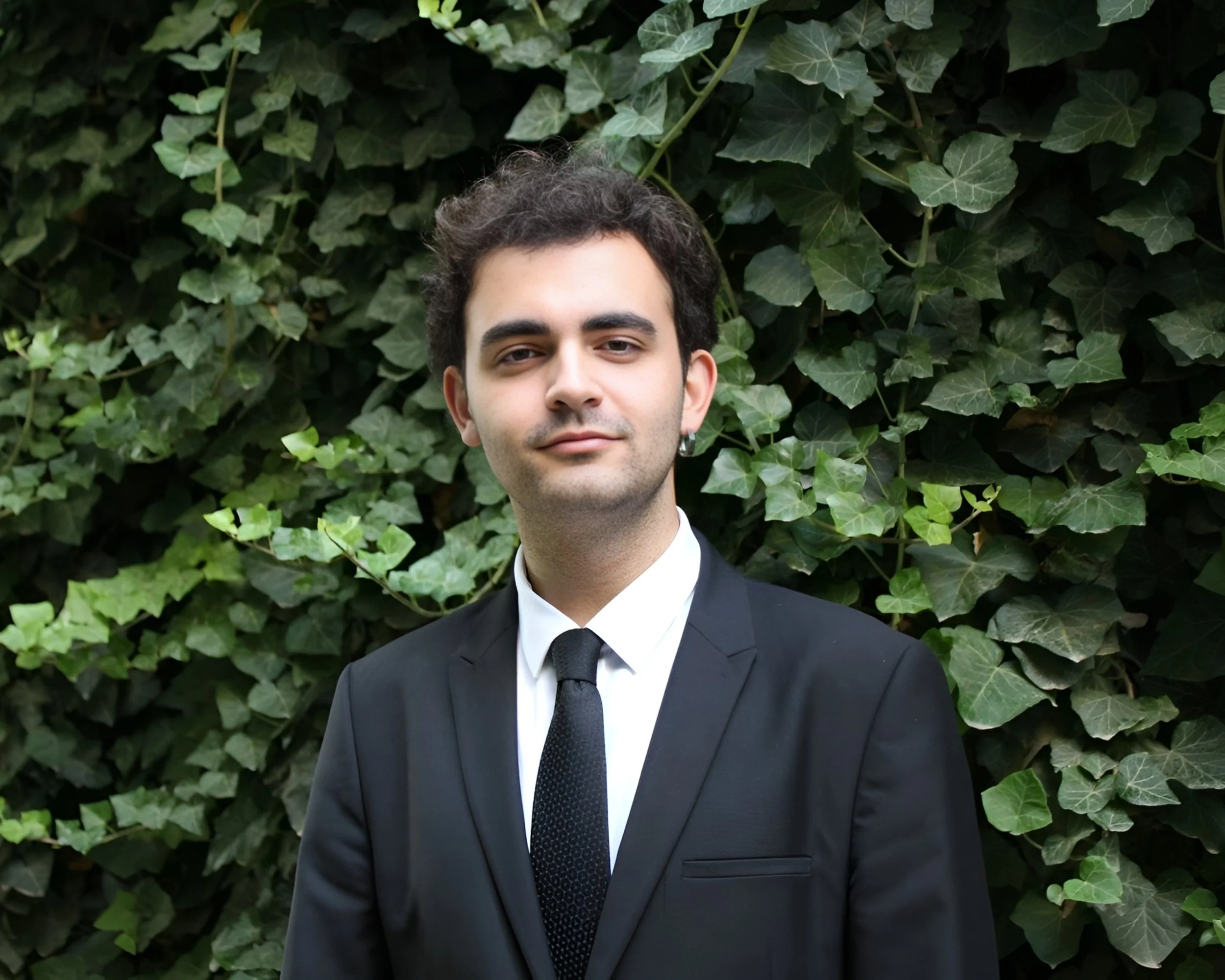
Arsal Rehber
-
Rotaract Club of Dublin, Dublin, Ireland
Club President (2026–2027)
Club Vice-President / President-Elect (2025–2026)
Club Public Image Chair (2024-2026)
Ankara Anıttepe Rotaract Club, Ankara, Türkiye
International Services Committee Chair (2021–2024)
Club Public Image Chair (2021–2024)
As part of Rotaract, what projects have you been involved with? What did these project’s achieve, how was this made possible and why is this important to you?
Throughout my involvement in Rotaract, I have contributed to projects addressing social exclusion, childhood inequality, community support, fundraising and international fellowship. Although these initiatives have varied considerably in scale and purpose, they have all reflected what I value most about Rotaract: bringing people together, learning directly from communities and translating goodwill into meaningful action.
One project that was particularly important to me was a Homelessness Awareness Talk organised by the Rotaract Club of Dublin in collaboration with Secret Street Tours, a Dublin-based social enterprise led by guides with lived experience of homelessness. The event sought to create a respectful and informed conversation around one of Ireland’s most pressing social challenges. Rather than speaking about homelessness only through statistics or second-hand accounts, we wanted participants to hear directly from people who had experienced it. Our speakers discussed the realities of homelessness, the importance and limitations of existing social supports, the wider impact of housing insecurity and the types of initiatives that can make a meaningful difference. Participants were also able to ask questions and reflect on how individuals and community organisations might contribute more constructively. The event was made possible through our collaboration with Secret Street Tours, the support of our members and the participation of friends from the Rotary Club of Dublin Central. We also collected a €5 contribution from each participant in support of people experiencing homelessness. Its value, however, went beyond fundraising. It helped challenge assumptions, humanise an issue that is too often discussed in abstract terms and ensure that people with lived experience were treated as experts in conversations affecting them. This project was meaningful to me because I believe that responsible community service must begin with listening. Before attempting to design solutions, we should understand the experiences, needs and perspectives of the people concerned. The event demonstrated how Rotaract can use its platform not only to raise funds, but also to encourage empathy, education and informed engagement.
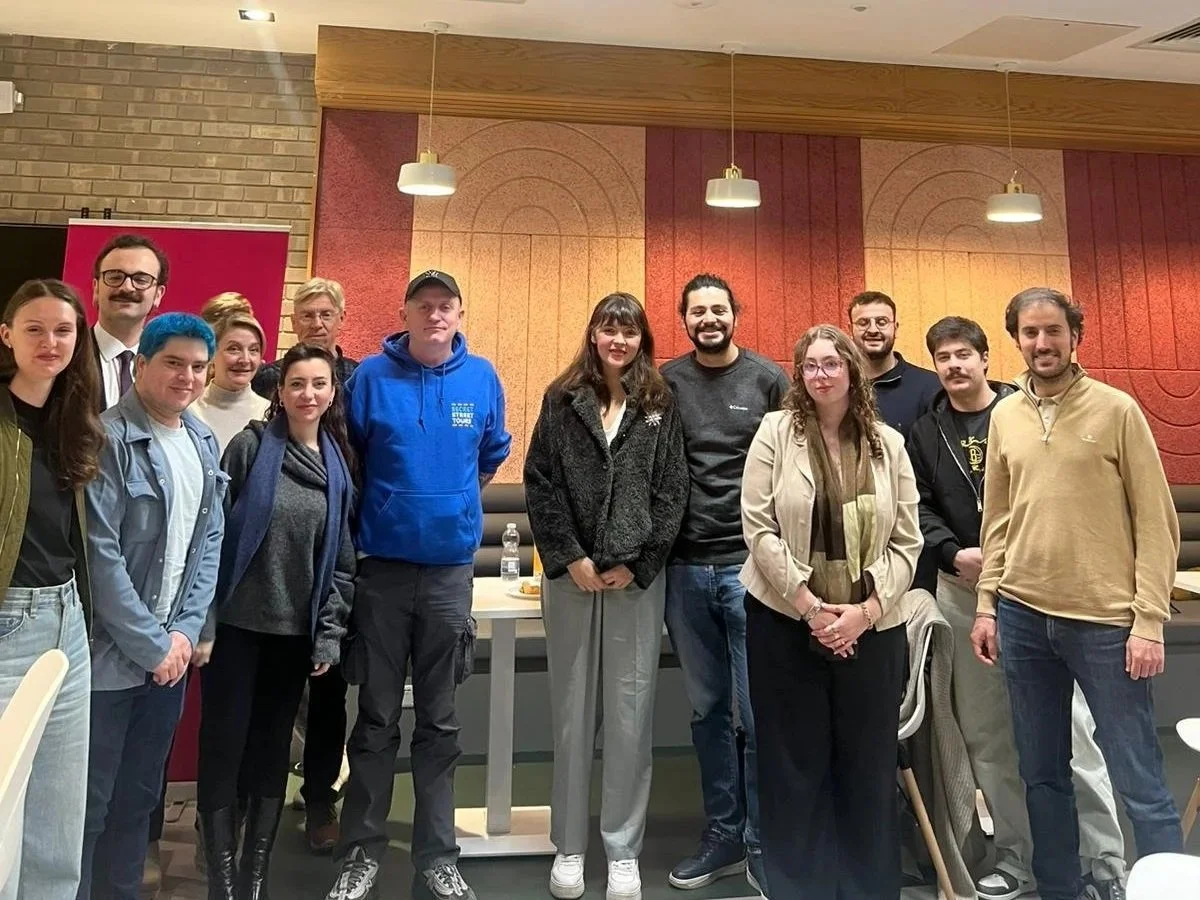
Homelessness event with the Secret Street Tours
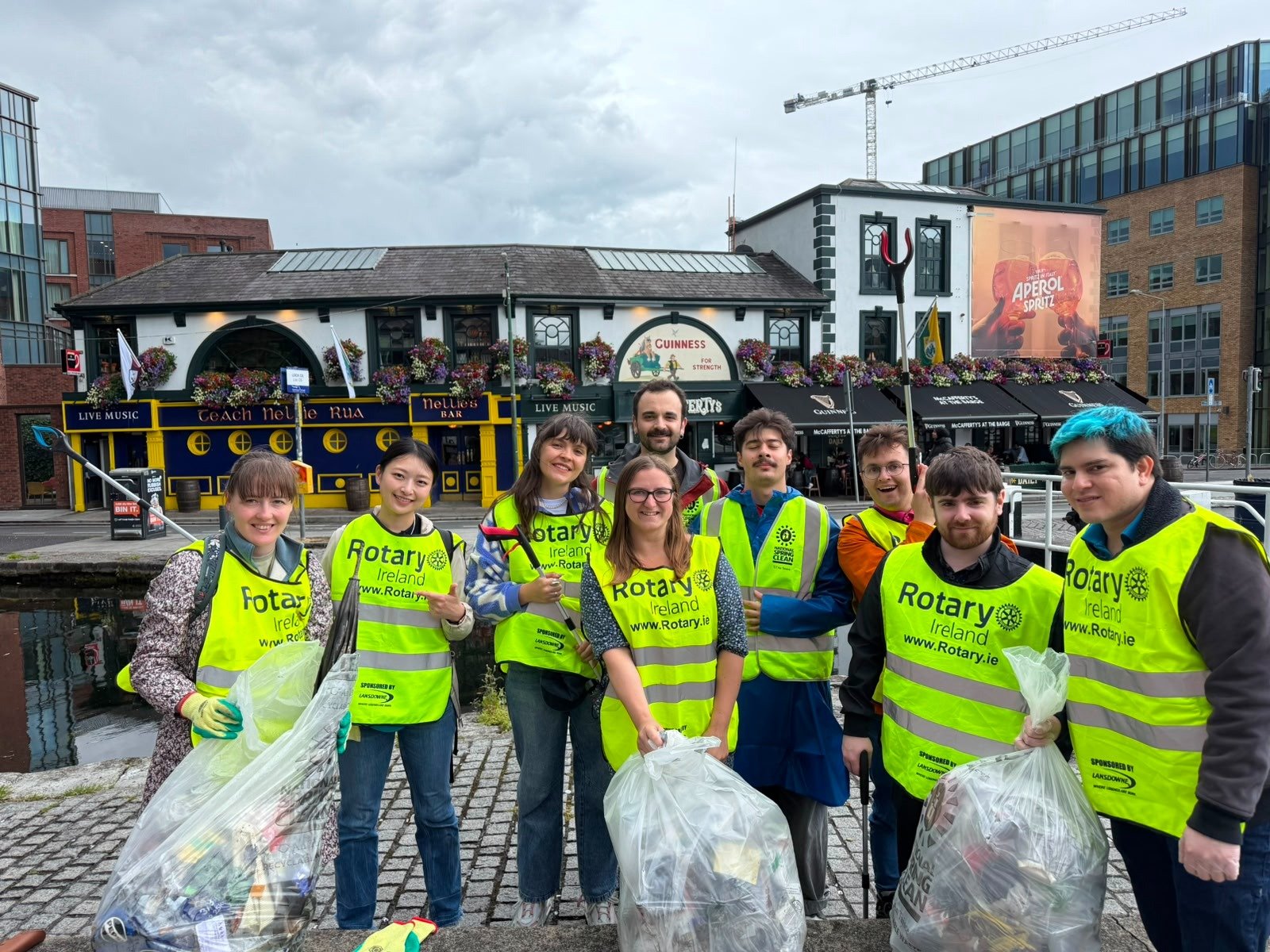
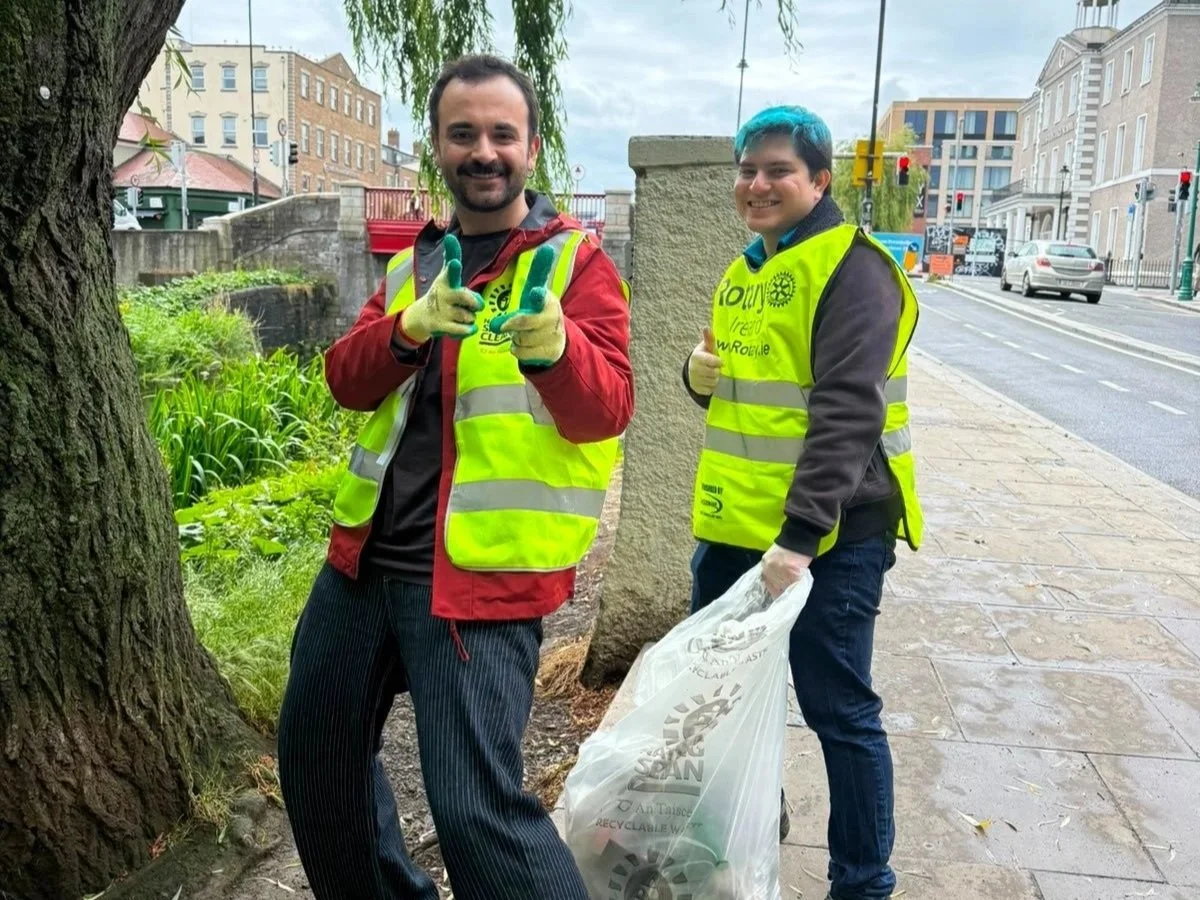
Community service has also been central to our developing relationship with Rotary clubs in Dublin. Following the closing parade of the South Docks Festival, we joined members of the Rotary Club of Dublin at the Greenore Senior Citizens Centre. Together, we renovated parts of the garden and cleaned the Centre’s indoor communal areas. Although the work itself was practical and relatively straightforward, it illustrated the value of collective action. By combining the time and energy of Rotaractors and Rotarians, we were able to support an important community space while also strengthening cooperation between our organisations.
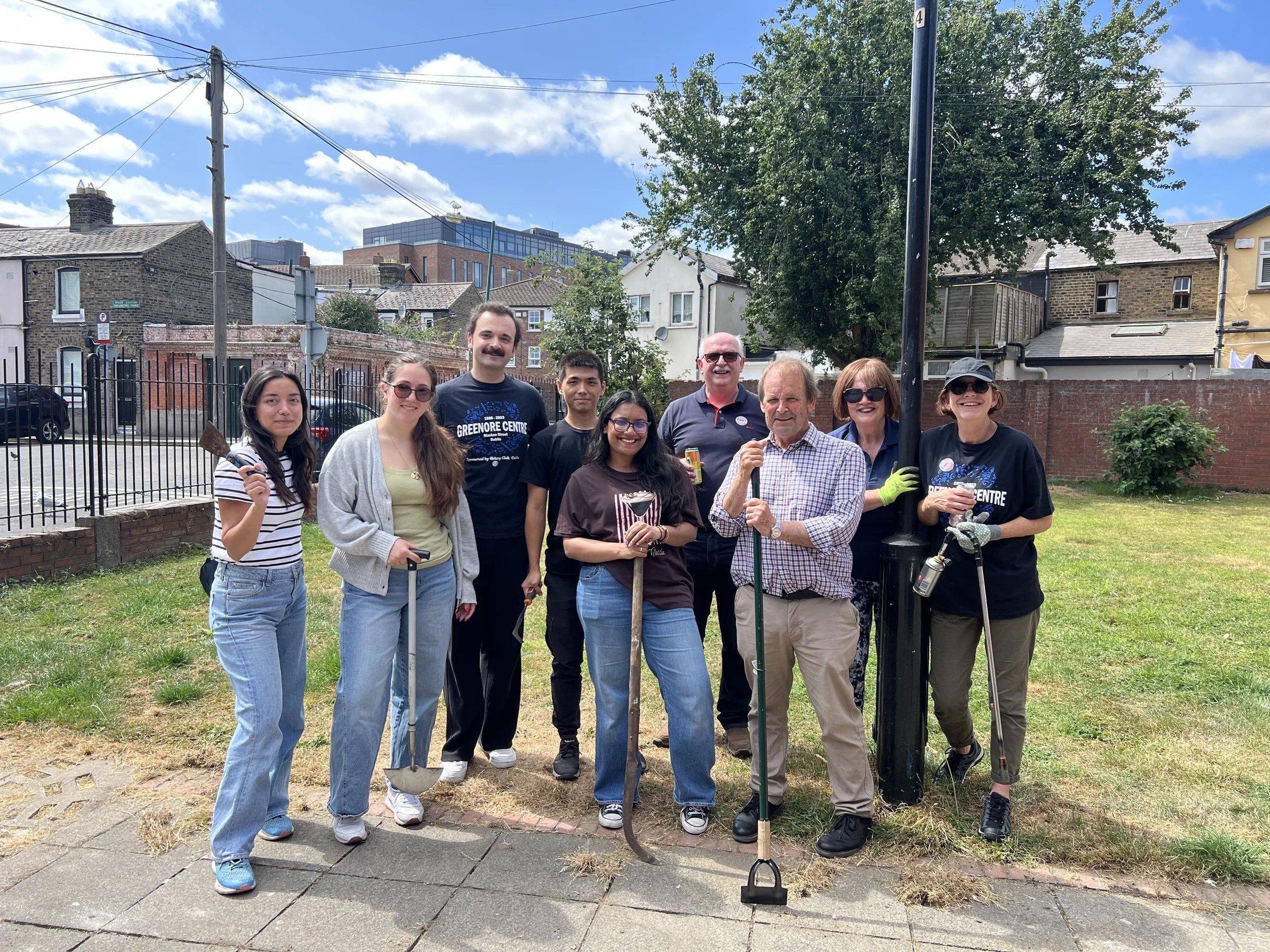
Greenore Senior Citizen Centre Garden Renovation
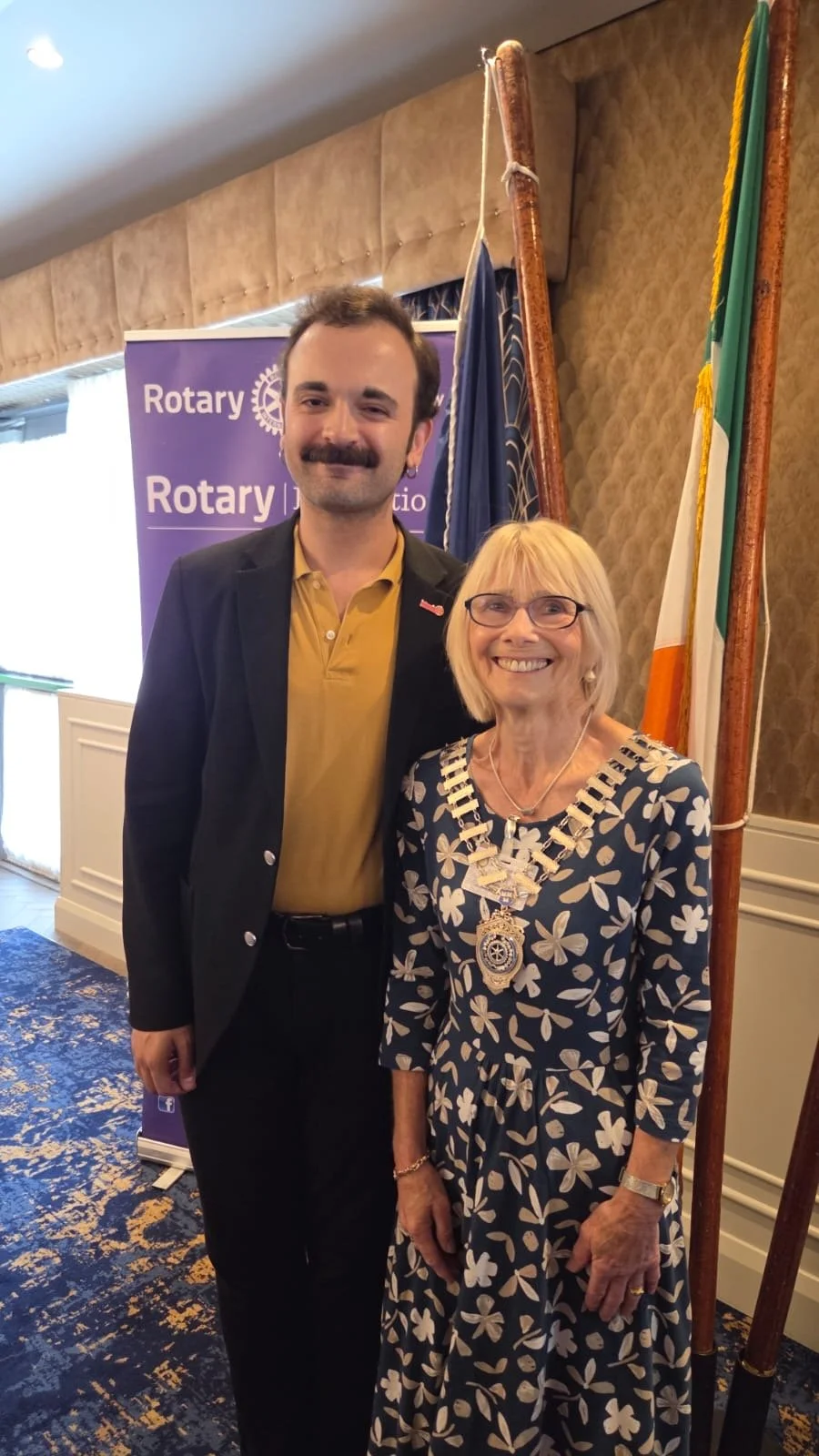
A central objective of the Rotaract Club of Dublin during my presidency has been to secure the club’s long-term sustainability. To achieve this, we have actively built relationships with the Rotary Clubs of Dublin, Dublin Central and Raheny, as well as with Rotaract clubs internationally. We have attended Rotary meetings, invited Rotarians to our own meetings, participated in community activities and explored opportunities for future collaboration. These relationships have enabled us to learn from more established clubs, introduce our members to the wider Rotary movement and create a stronger support network for future projects.
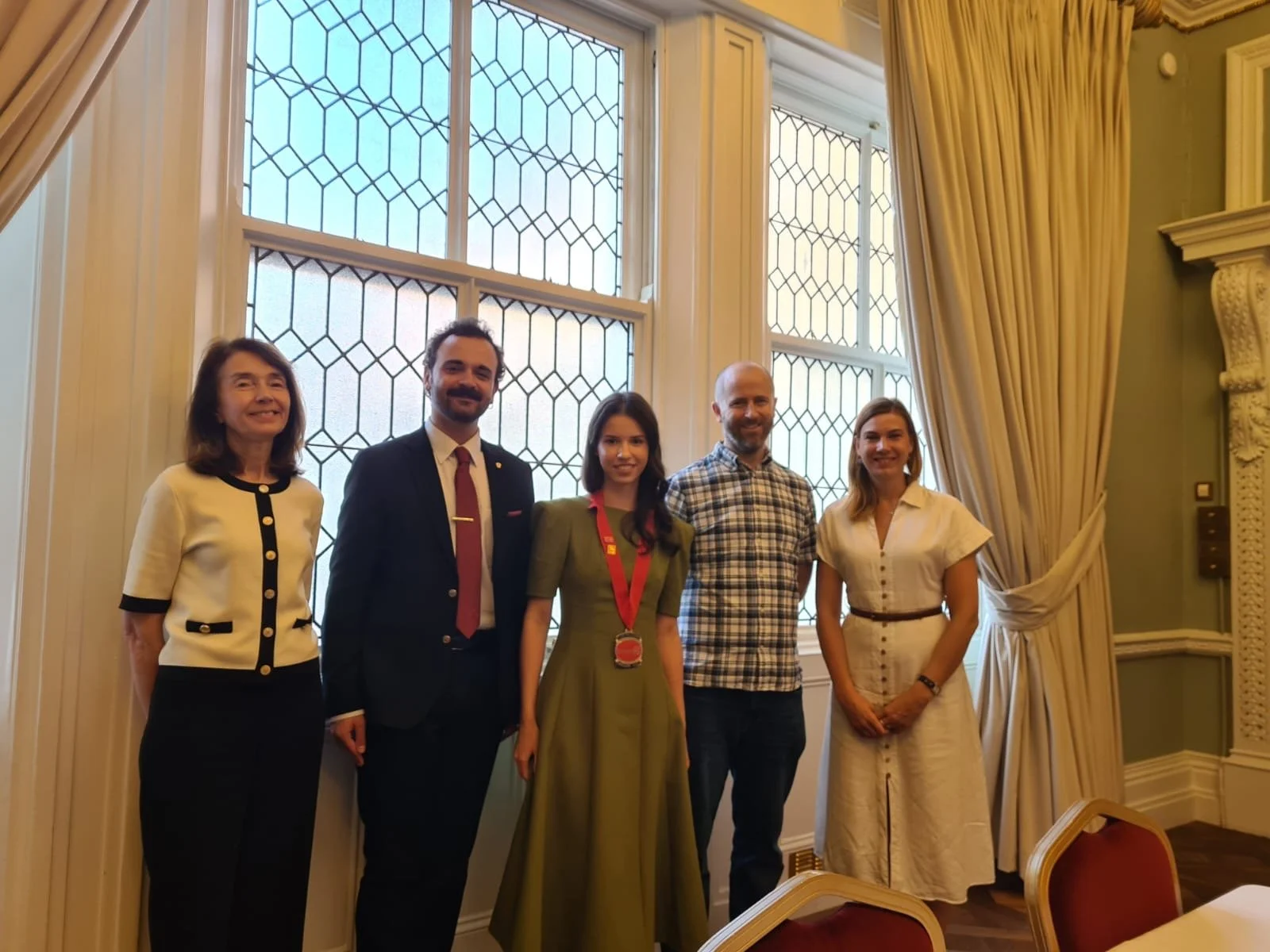
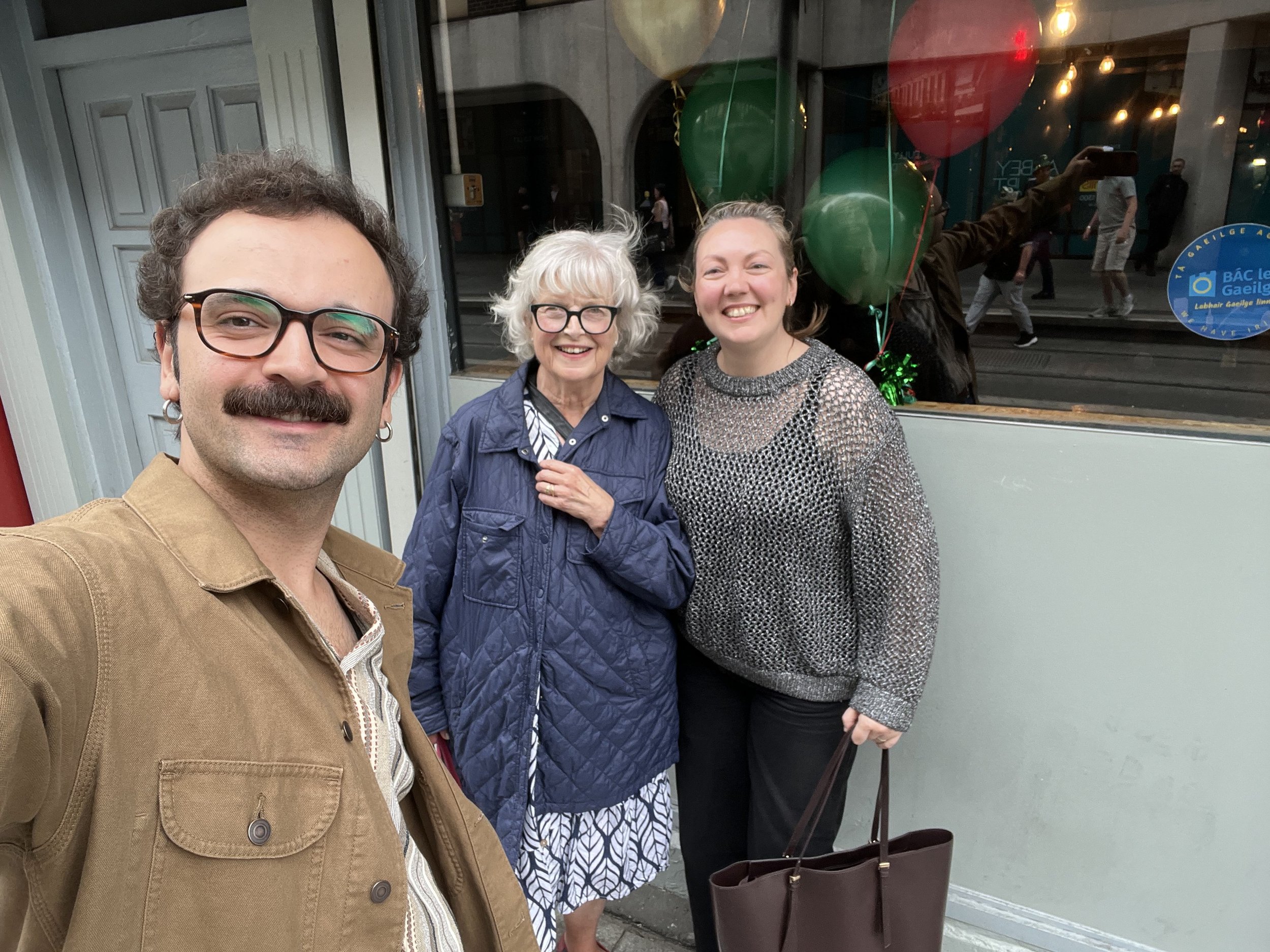
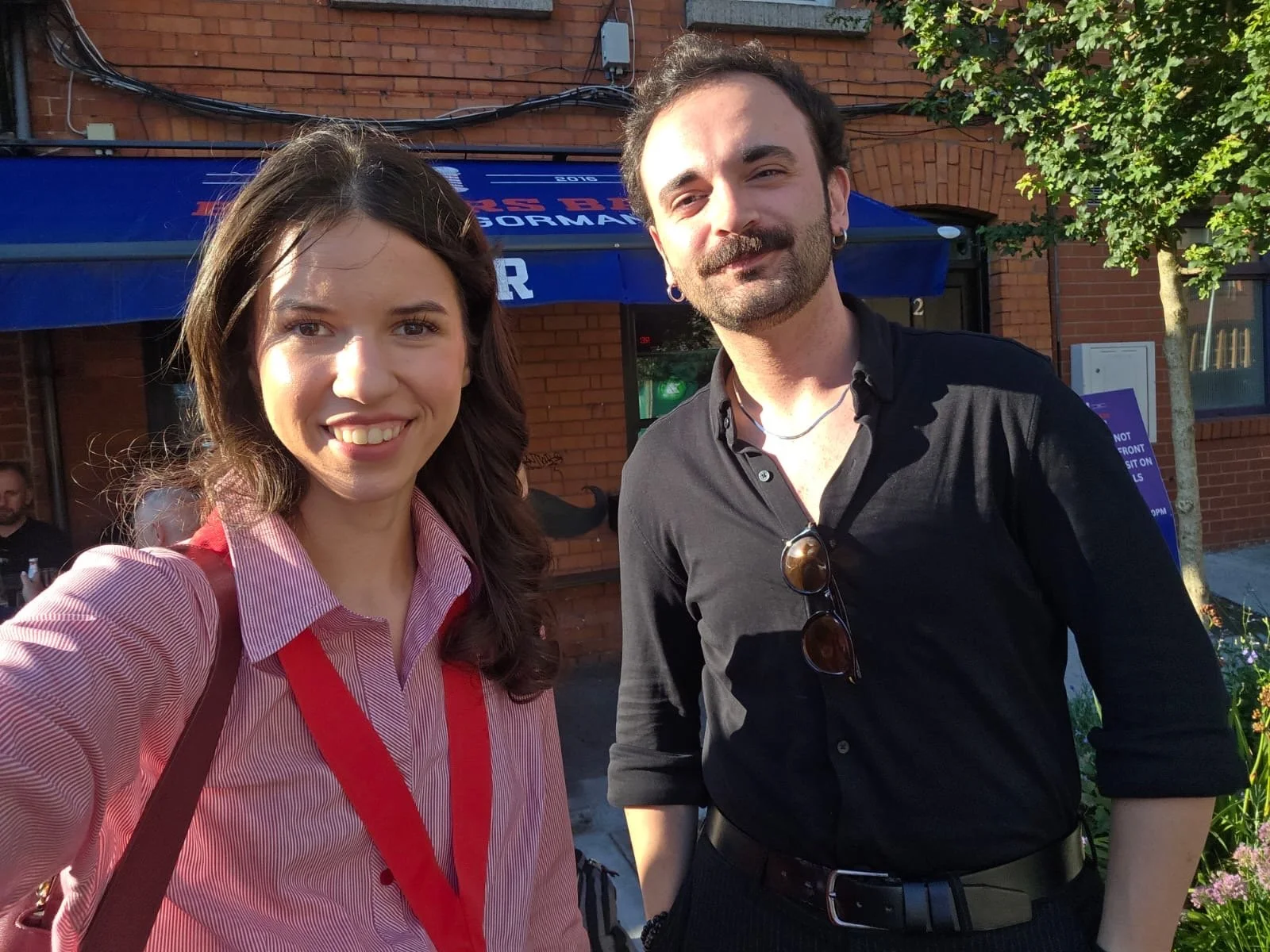
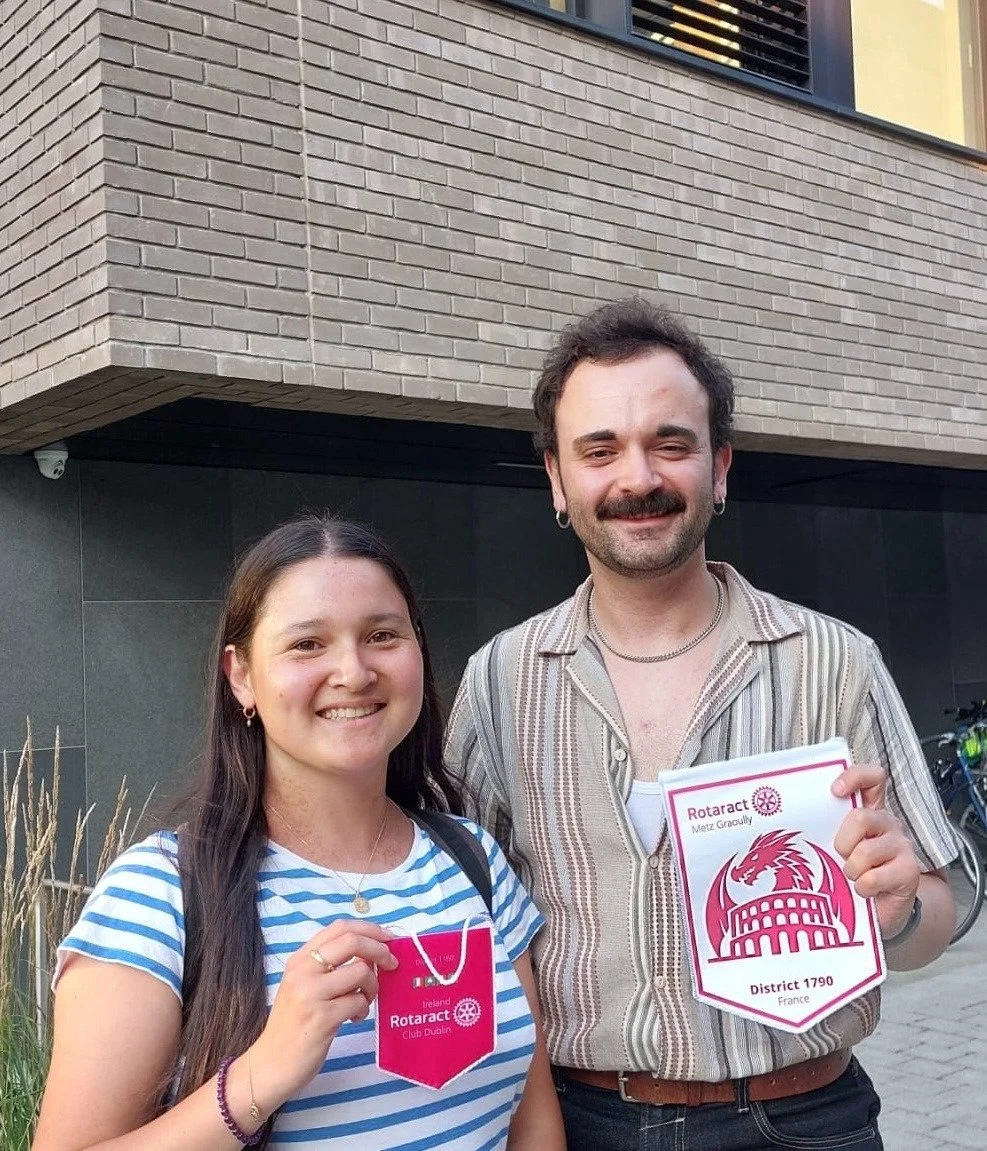
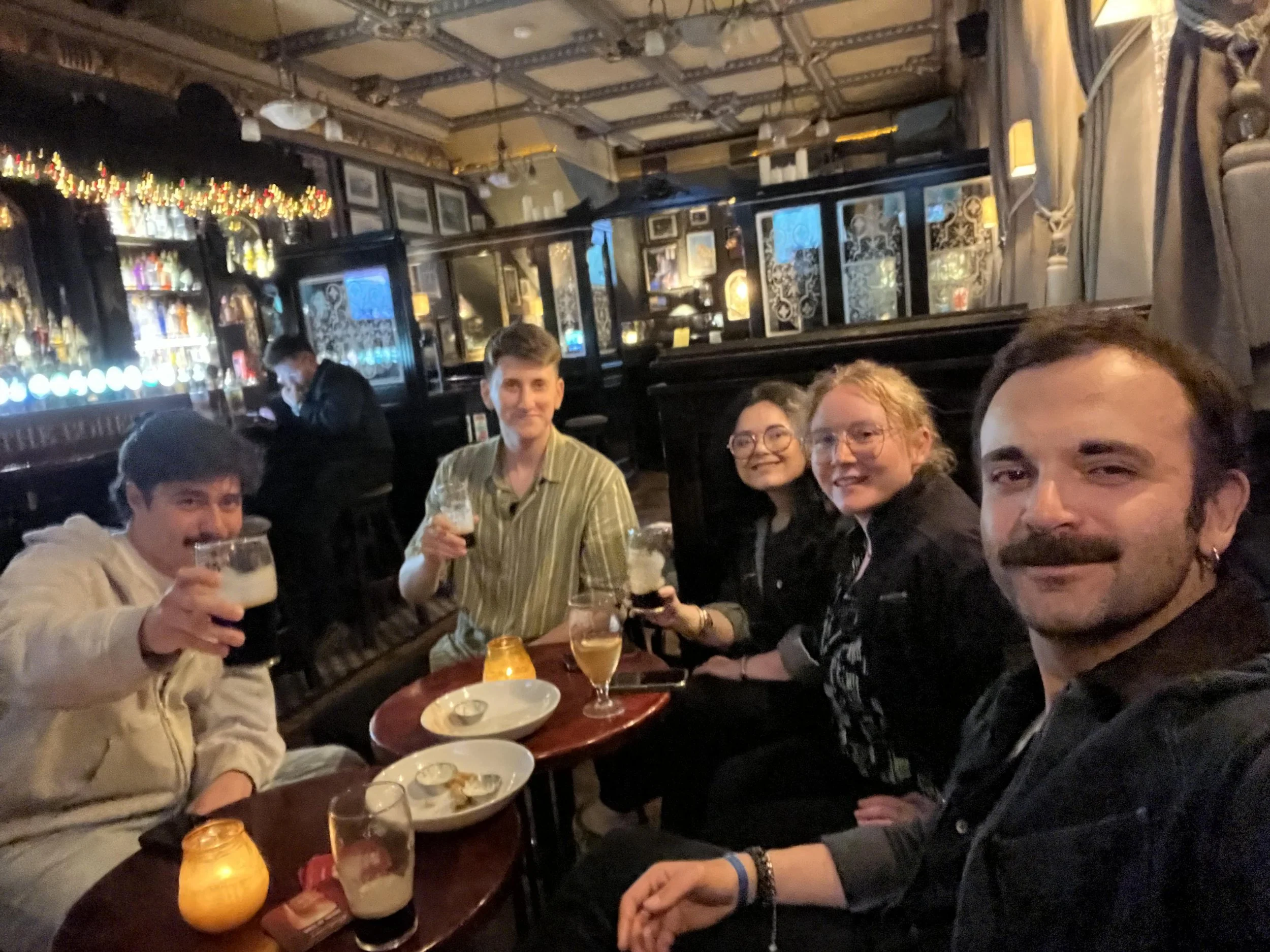
International fellowship has been another important part of this work. We welcomed Alina from the Rotaract Club of Mainz and her partner, Jens; Verena from the Rotaract Club of Metz Graoully; and Aleksandra, President of the Rotaract Club of Moscow-East. During their visits, we introduced them to our members and to Dublin’s Rotary community, exchanged club experiences and discussed how Rotaract operates in different countries. Aleksandra’s month-long visit was especially valuable, as we attended several Rotary meetings and social activities together. What began as an international club visit developed into a meaningful friendship and a sustained exchange of ideas. These experiences reminded us that Rotaract is not simply a collection of individual local clubs. It is an international network through which people from different countries and backgrounds can learn from one another and cooperate around shared values.
Before becoming involved with Rotaract in Ireland, one of the most significant projects I worked on in Türkiye was the Balloon Fairies Project of the Ankara Anıttepe Rotaract Club. The project has been organised for more than a decade and aims to support children whose economic circumstances limit their ability to enjoy the experiences normally associated with childhood. The project begins with a visit to a selected school, where members spend time with the children and learn about their individual wishes. We then organise donation campaigns to raise the funds needed to fulfil those wishes. Members return during the period surrounding 23 April, Türkiye’s National Sovereignty and Children’s Day, to deliver the gifts and celebrate with the children. In 2024, we organised the project in cooperation with the Ankara Anıttepe Rotary Club in Samandağ, Hatay, one of the areas most severely affected by the earthquakes of 6 February 2023. We visited Mızraklı Primary School and fulfilled the wishes of 185 children. The project received support from Rotarians and Rotaractors at club, district and international levels, including the then Rotary International President, R. Gordon R. McInally, and his wife, Heather. The success of the project depended on careful planning, fundraising, cooperation between Rotary and Rotaract and the generosity of donors. However, its importance could not be measured solely by the number of gifts distributed. It created a day on which children affected by economic hardship and a devastating natural disaster could feel seen, valued and celebrated. For me, that is one of the clearest examples of how service can combine practical assistance with dignity, joy and human connection.
I was also involved in our club’s traditional Wine and Cheese Night, which brought together guests from different Rotary and Rotaract clubs. The event combined fellowship with fundraising, enabling us to generate resources for future service projects while strengthening relationships within the Rotary family. I have similarly contributed to career-focused talks intended to provide young people and club members with access to professional experiences, guidance and new perspectives.
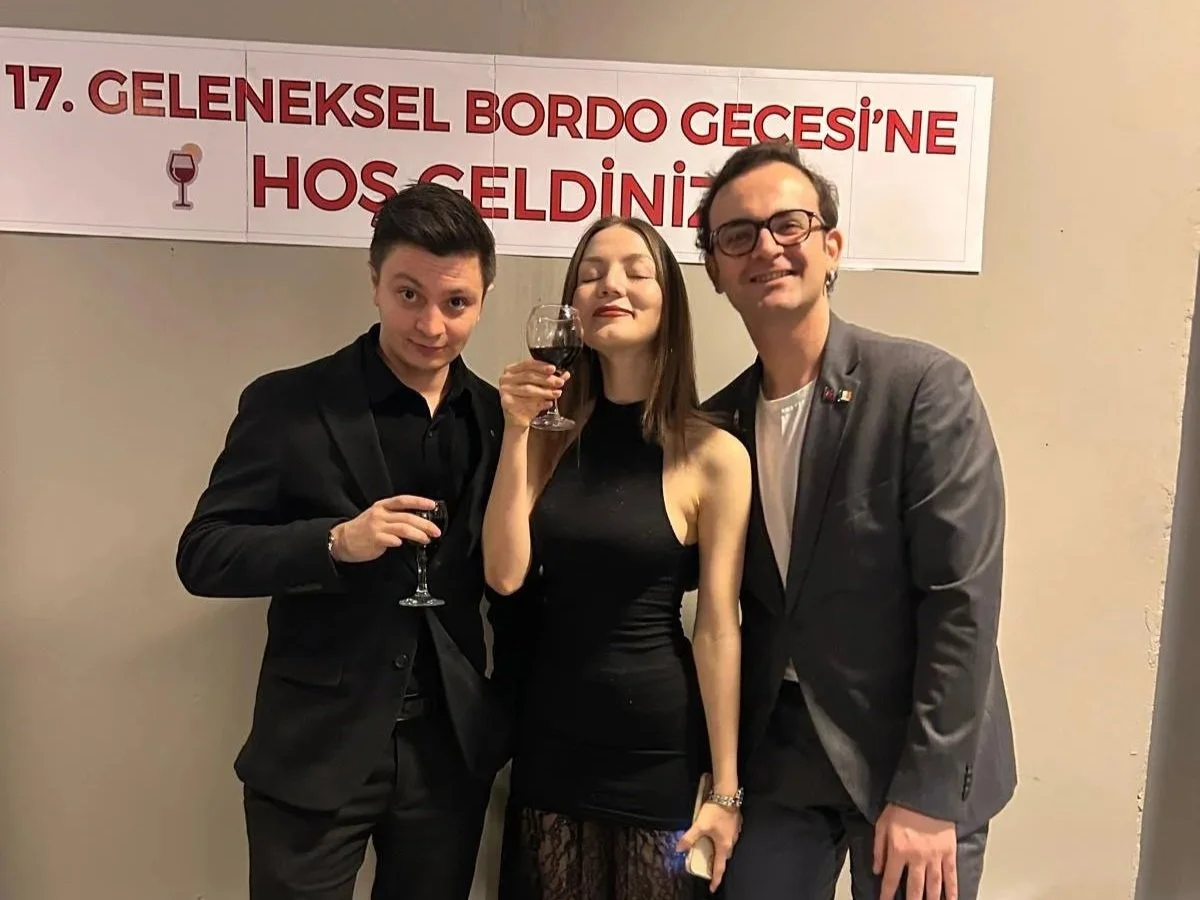
Wine and Cheese Night
These projects are important to me because they demonstrate the different forms that service can take. It may involve fundraising, physical volunteering, public education, international exchange or simply creating a space in which people feel heard. What unites these experiences is the belief that sustainable impact is made possible through cooperation. Rotaract has allowed me to work with people from different professions, generations, countries and personal backgrounds and to turn those relationships into projects that support communities and create lasting connections.
How have you been able to connect with others thanks to Rotaract?
Rotaract has played a significant role in helping me build professional relationships, lasting friendships and a genuine sense of belonging.
When I first joined Rotaract in Türkiye, I was a law student. Through the organisation, I met lawyers and professionals from different areas of practice whom I could approach for guidance. They shared their experiences, answered my questions about career opportunities and offered practical advice on employment and professional development. These conversations helped me better understand the legal profession and consider the different paths available to me. Now that I am a practising lawyer, I particularly appreciate the importance of having had access to people who were willing to share their knowledge and encourage a younger member of the profession.
The connections I formed through Rotaract became particularly important when I moved to Ireland. Living in a new country brought both practical and personal challenges, and Rotaract provided the sense of community and support that I needed. Fellow members helped me navigate everyday life, introduced me to new people and, over time, became genuine friends. Rotaract also enabled me to connect with the wider Rotary family and to learn from people with extensive experience in leadership, service and community engagement. These relationships have supported my development as a club leader and helped us build stronger foundations for the future of our club. Through our service projects, collaborations and international exchanges, I have also met people from a wide range of backgrounds and formed connections beyond my immediate club. These experiences have strengthened my professional network, broadened my perspective and reinforced my belief that meaningful service is built upon trust, friendship and cooperation.
Overall, Rotaract has been much more than a volunteering organisation for me. It has been a source of friendship, mentorship, professional guidance and belonging. The relationships I have formed have supported me through important transitions in my education, career and personal life, while also giving me the opportunity to support and learn from others.
What opportunities has Rotaract given you to go beyond your local community?
One of the most meaningful examples was connecting my former club, the Ankara Anıttepe Rotaract Club, with the Rotaract Club of Dublin through the Culture Box Project. The idea was simple: each club prepared a box containing items that represented important aspects of its country’s culture. These items then became the basis for conversations about traditions, food, identity and everyday life. Having lived in both Türkiye and Ireland, I was able to act as a cultural ambassador between the two clubs. I introduced items ranging from Turkish delight to Irish fudge and explained the cultural significance attached to them. The project allowed members to learn about another country in an interactive and personal way, rather than through general descriptions or stereotypes. This experience was particularly meaningful to me because it reflected my own journey. Rotaract helped me move beyond my original local community and gradually make another community my own. It also deepened my understanding of both cultures by encouraging me to consider how they could be presented to people encountering them for the first time.
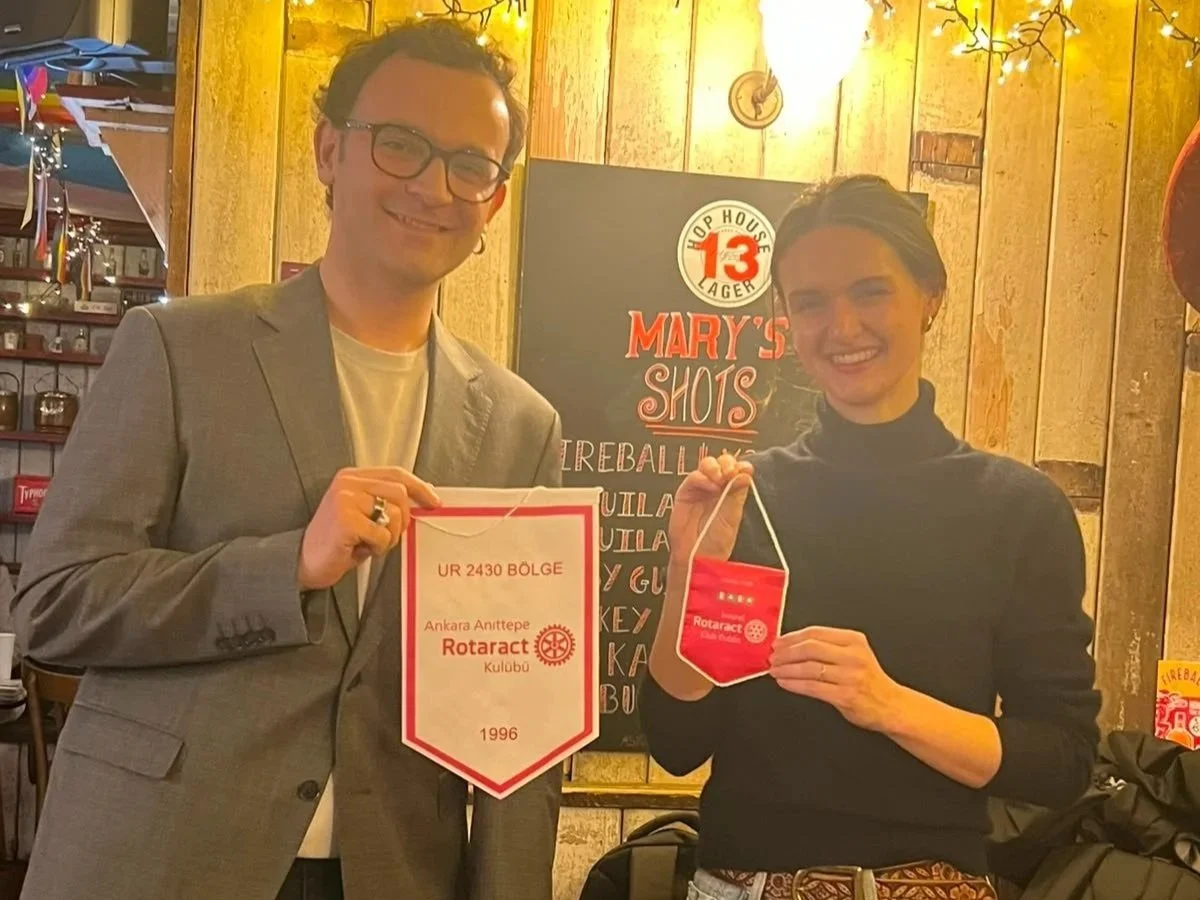
Flag and Culture Box Exchange with the immediate past president of Dublin Rotaract Club, Robin.
While I was involved with Rotaract in Türkiye, I also participated in national conferences and assemblies. These events brought together Rotaractors from different cities and clubs, allowing us to exchange ideas, learn about successful projects and better understand the wider structure of the organisation. They showed me that many of the challenges faced by local clubs can be addressed through cooperation, shared experience and stronger communication.
Since moving to Ireland, I have had the opportunity to learn more about the structure of Rotaract Great Britain and Ireland. I find this network particularly valuable because it creates a framework through which clubs can communicate, exchange knowledge and develop international connections more effectively. A particularly important experience was joining the organising team for Rotaract GBI’s first Clubs Connect event, which took place in Dublin from 5 to 7 June 2026. Through this event, I met Rotaractors from across Great Britain and Ireland, including members of the GBI team. We exchanged ideas about club development, member participation and the structural changes that could help strengthen the Rotaract Club of Dublin. These discussions gave me practical insights into how we could improve engagement, create a more sustainable club structure and offer members a stronger sense of purpose and belonging. They also reminded me that club development does not have to take place in isolation. There is a wider network of people who are willing to share their experience and support one another.
International visits and exchanges have further strengthened this perspective. Welcoming Rotaractors from other countries, introducing them to our members and participating in Rotary and Rotaract activities together have allowed us to compare experiences and build friendships across borders.
Overall, Rotaract has enabled me to see service and fellowship from a much broader perspective. These experiences have expanded my network, strengthened my intercultural understanding and helped me bring ideas from different clubs and countries into my own leadership. Most importantly, they have shown me that Rotaract’s greatest strength lies in its ability to turn local clubs into part of a genuinely international community.
How do you think you’ve grown as a person thanks to Rotaract? What opportunities have you had for your own personal development?
Rotaract has shaped me most profoundly by teaching me to take responsibility. Whenever I volunteered to lead a project or contribute to its organisation, I became accountable not only for completing my own tasks, but also for supporting the wider team and helping transform an idea into a tangible outcome. Each project presented different challenges, and working through them gradually strengthened my confidence, judgement and sense of initiative. Through these experiences, I learned how to present myself more effectively, express my opinions with greater clarity and listen carefully to the perspectives of others. I also became a better team player. Leadership within a voluntary organisation cannot rely on authority alone; it requires patience, cooperation and the ability to motivate people who are contributing their time freely. Rotaract taught me when to take the lead, when to step back and when to mediate between different views so that the team could continue working towards a shared objective.
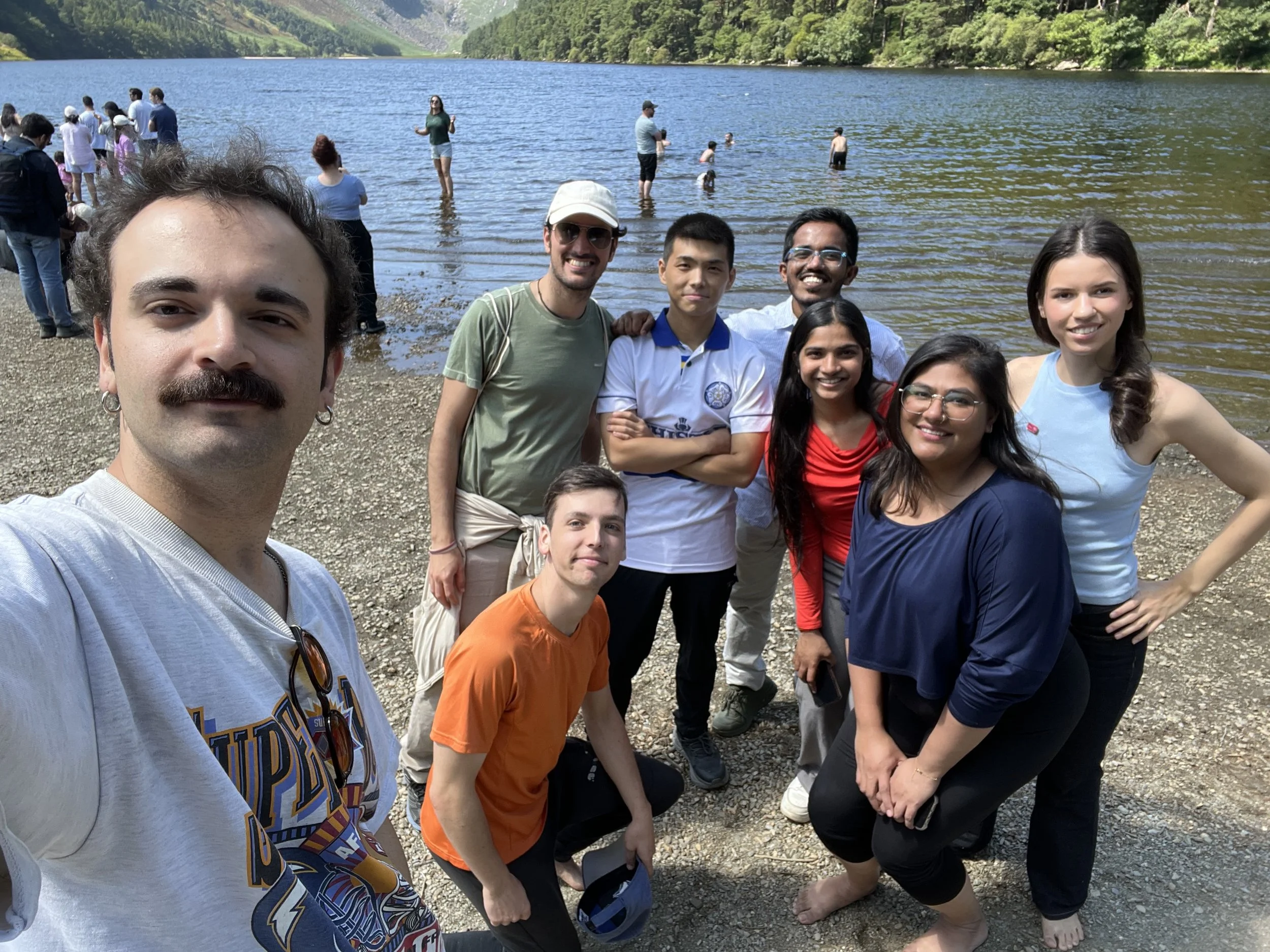
Glendalough Hike with club members and guests
Confidence is essential for any leader, and I believe much of my confidence has developed through my involvement in non-governmental organisations. However, Rotaract is undoubtedly the organisation to which I have dedicated the greatest amount of time and energy. It is therefore where much of my understanding of leadership has been formed. Taking on responsibilities in different projects, committees and leadership positions allowed me to test my abilities, learn from mistakes and gradually become more comfortable making decisions.
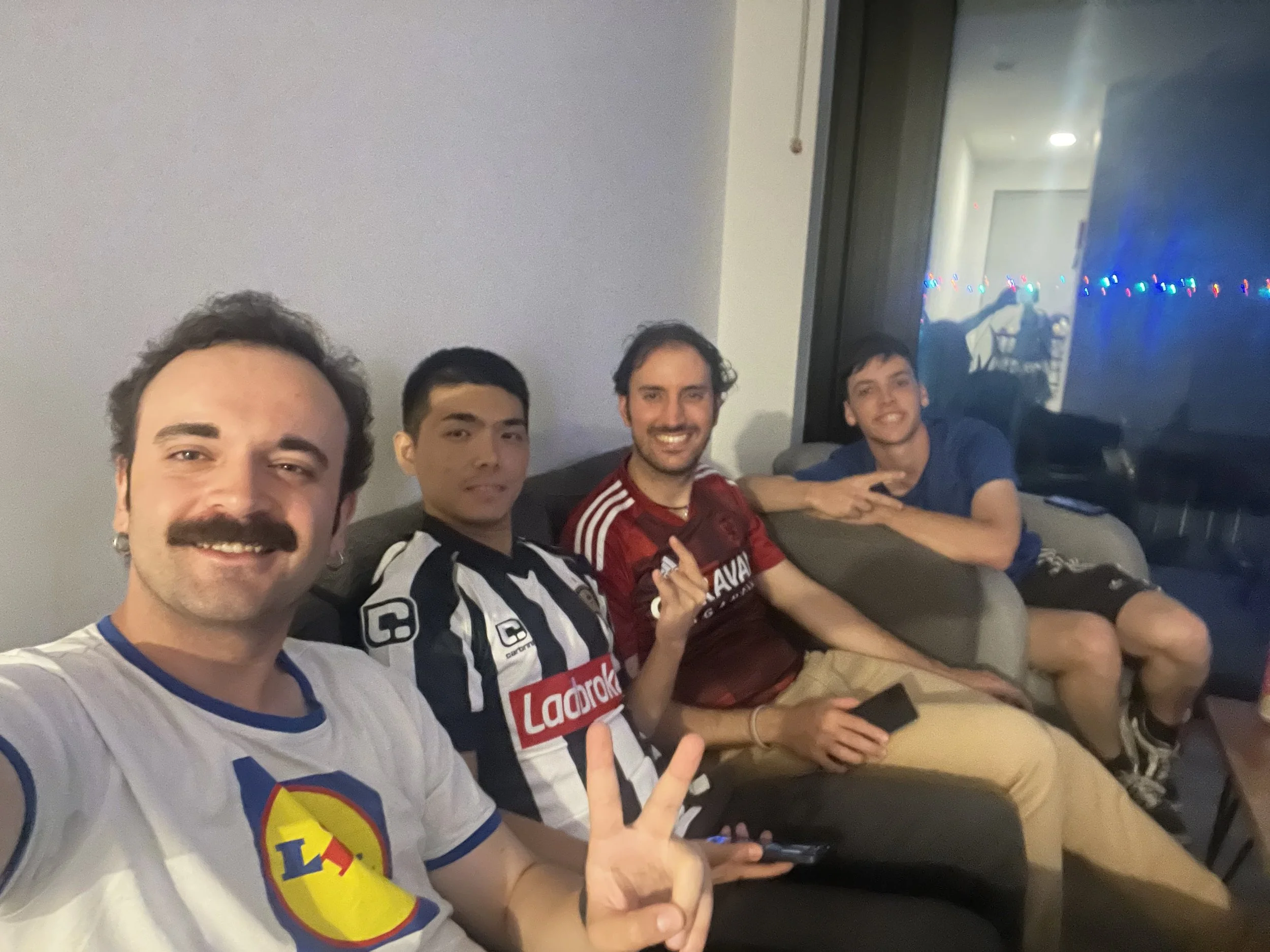
Spending time with our members and guests
One of the most important ways Rotaract has shaped me is by giving me a sense that, even when I do not immediately know the answer, I know how to find a way forward. This is not the belief that I already know everything, but rather the confidence that I can understand a situation, identify what needs to be done, seek advice where necessary and develop a plan. In that sense, Rotaract has helped me respond more constructively to feelings of self-doubt. Impostor syndrome often arises during difficult periods of learning, when a person is still developing the knowledge and experience required for a new responsibility. Rotaract taught me not to interpret that discomfort as evidence that I do not belong. Being entrusted with a position usually means that others have already recognised certain qualities and abilities in us, even if we are still learning how to use them fully. Instead of panicking when faced with an unfamiliar challenge, I have learned to examine the process, divide it into manageable stages and proceed through careful planning. For me, this is perhaps the most valuable form of personal development Rotaract has provided: it taught me how to learn, how to lead through uncertainty and how to trust my ability to grow into the responsibilities I accept.
Why should someone get involved with Rotaract and what advice would you give them?
Someone should become involved with Rotaract for the friendships they can build, the measurable change they can create, the lives they can touch and the opportunity to rediscover themselves through service. Rotaract offers a rare combination of community service, personal development and fellowship. Members can contribute to meaningful projects while meeting people from different professions, cultures and backgrounds. Through those experiences, they may discover abilities and interests they did not previously recognise in themselves. Rotaract can help a person become more confident, compassionate and willing to take responsibility, while also providing a community in which they can learn and grow.
My principal advice to a new member would be to be present and intentional. Simply joining an organisation is not enough to experience everything it can offer. The greatest benefits come from sincerely participating in projects, volunteering for responsibilities, getting to know other members and being willing to move beyond one’s perceived limitations. It is through active involvement that people develop confidence, build trust and understand the difference they are capable of making. New members should also remember that they do not need to know everything from the beginning. Rotaract is a place in which people can learn by doing. They should feel comfortable asking questions, proposing ideas and seeking guidance from those with greater experience. Mistakes and unfamiliar situations are a natural part of development, provided that members approach them with humility and a willingness to learn. What makes Rotaract particularly special to me is the breadth of what it can become. It may be a service organisation, a professional network, an international community, a source of friendship or a space for personal development. In many cases, it becomes all of these at once. Its identity is shaped by the people within it and by the needs of the communities they serve.
The essential foundation is a sincere desire to do good and to treat others with kindness and respect. From there, members should be encouraged to help shape the club rather than merely observe it. We want Rotaract to be accessible and open to discussion. When members have questions, ideas or concerns, they should feel able to bring them to the table. Constructive criticism and independent thinking are not obstacles to a strong club; they are among the principal ways in which it can improve and thrive. Ultimately, Rotaract gives back in proportion to the sincerity and energy that a person brings to it. Those who participate with openness, curiosity and genuine purpose can find friendship, belonging and opportunities to make a lasting difference, both in their communities and within themselves.
What’s your proudest moment as a Rotaractor?
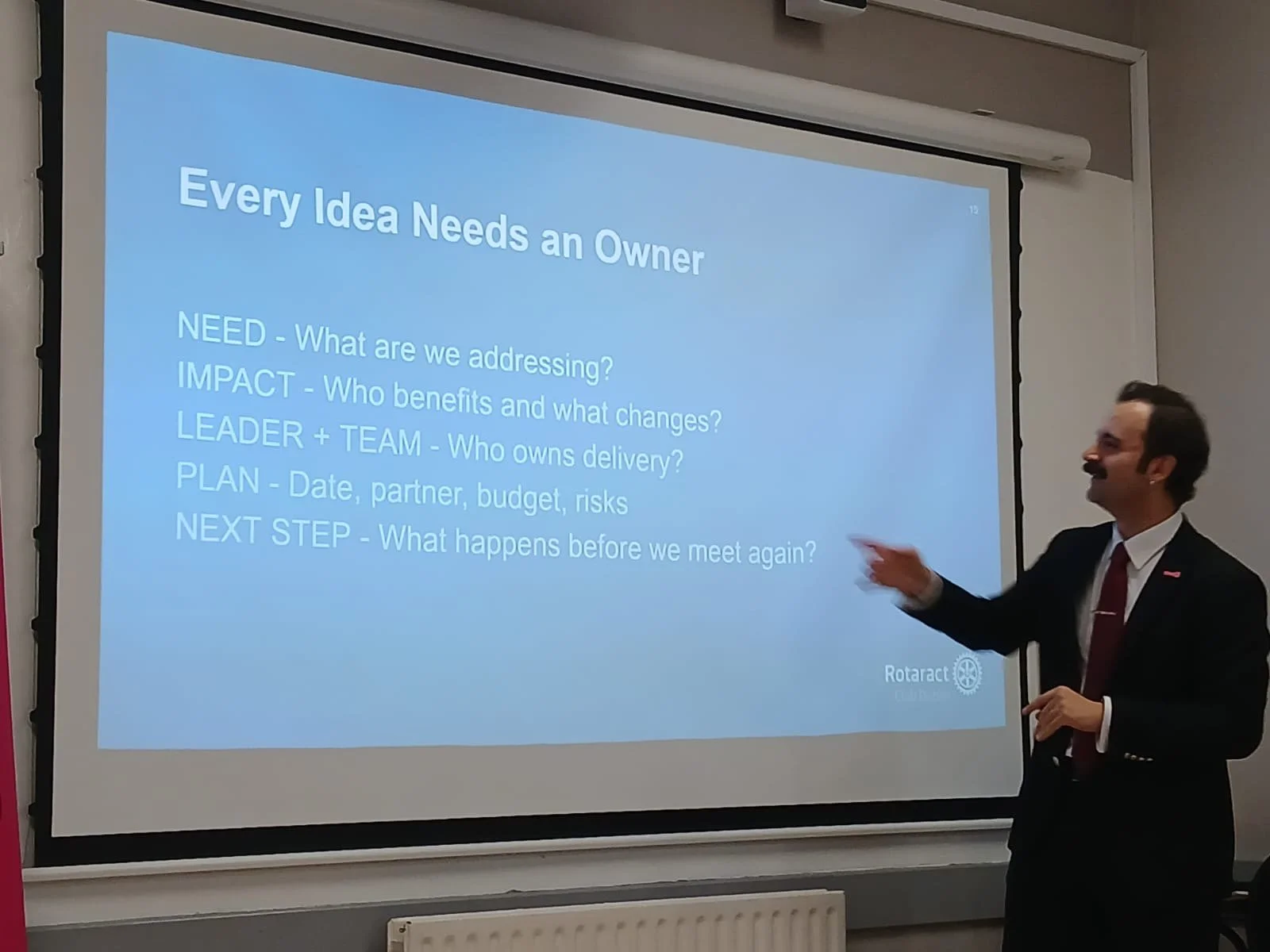
My proudest moment as a Rotaractor was helping to revive the Rotaract Club of Dublin’s regular meetings. Owing to the shortage of affordable community spaces in Dublin and the financial constraints facing the club, twice-monthly meetings had not been held consistently for some time. My team and I spent more than a month searching for a suitable and sustainable venue. After many enquiries, discussions and sleepless nights, we finally secured a space in which the club could meet and rebuild. We then planned our first meeting, prepared the agenda and invited representatives from Rotary clubs across Dublin. Given the relatively small size of our club, I did not expect such a significant response. However, we were honoured to welcome presidential-level representatives from every Rotary club in Dublin, together with former district governors. Seeing them seated around our U-shaped meeting table, taking notes and listening attentively to our plans was unforgettable. Their thoughtful comments and genuine interest made us feel that our work, however modest its beginnings, was being taken seriously. I was deeply grateful for their willingness to support us and their belief in what our club could become.
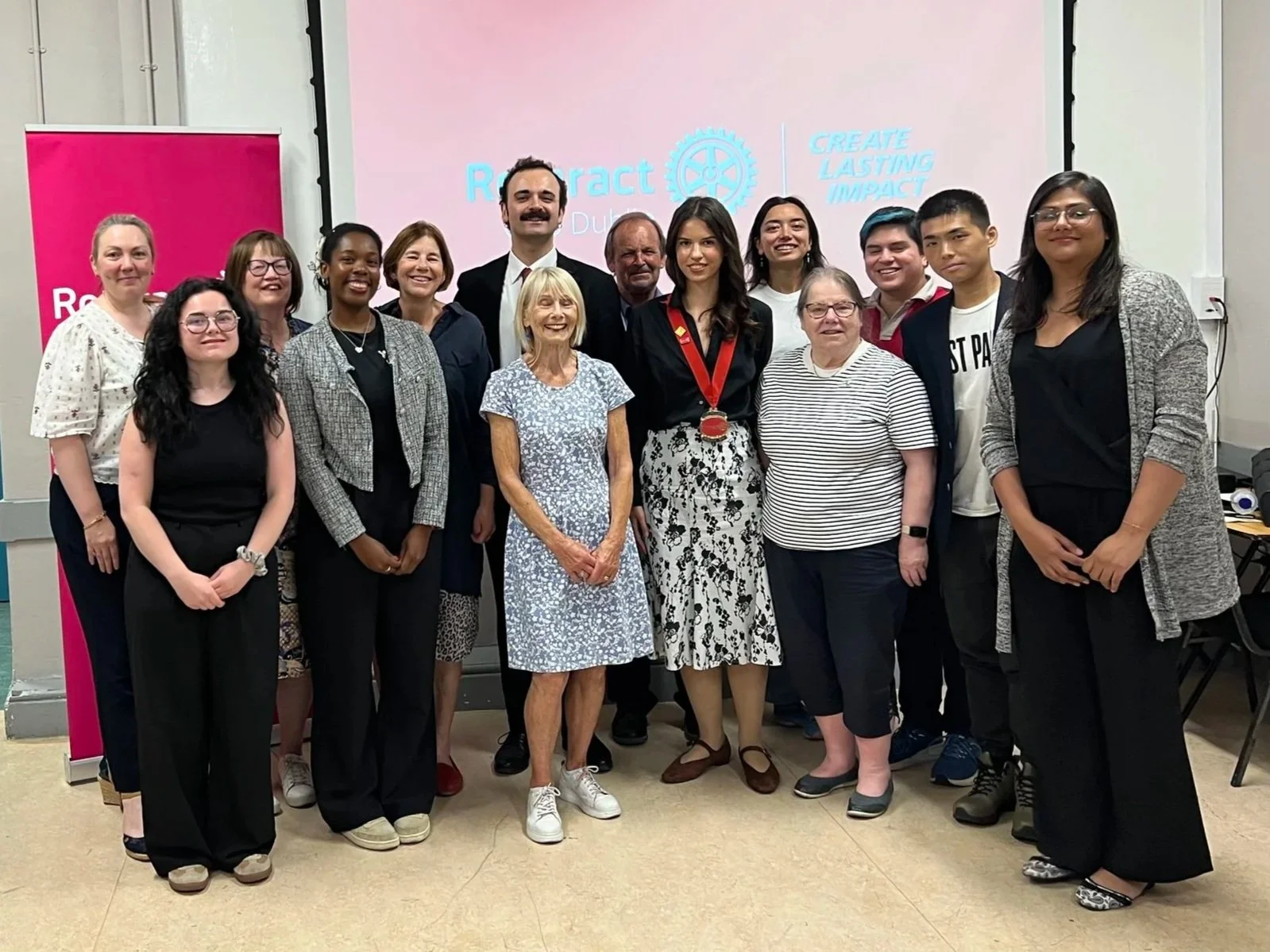
That evening represented far more than the successful organisation of a meeting. It marked the revival of our club, affirmed the efforts of my team and demonstrated that even a small group can inspire confidence when it approaches its work with determination and sincerity.
How does your Rotaract work reflect your passions or career goals?
I have always been passionate about the work of non-governmental organisations, particularly organising social projects that bring people together and create a meaningful impact. Rotaract therefore aligns closely with both my personal interests and my desire to contribute to society.
It has also complemented my career as a lawyer. Legal work requires careful planning, critical thinking, clear communication and the proper documentation and archiving of previous work so that others can build upon it. By organising projects and taking on leadership responsibilities within Rotaract, I developed these skills in a practical setting. The discipline, organisation and confidence I gained through Rotaract have carried directly into my professional life and helped me become a more effective lawyer and team member.
If you could describe Rotaract in three words, what would they be?